Asphalt, Metal or Flat: Choosing the Right Roof for a Southeast Texas House
Each one earns its keep differently here, and the honest tradeoffs matter more than the marketing.
September 9, 2026 · 4 min read
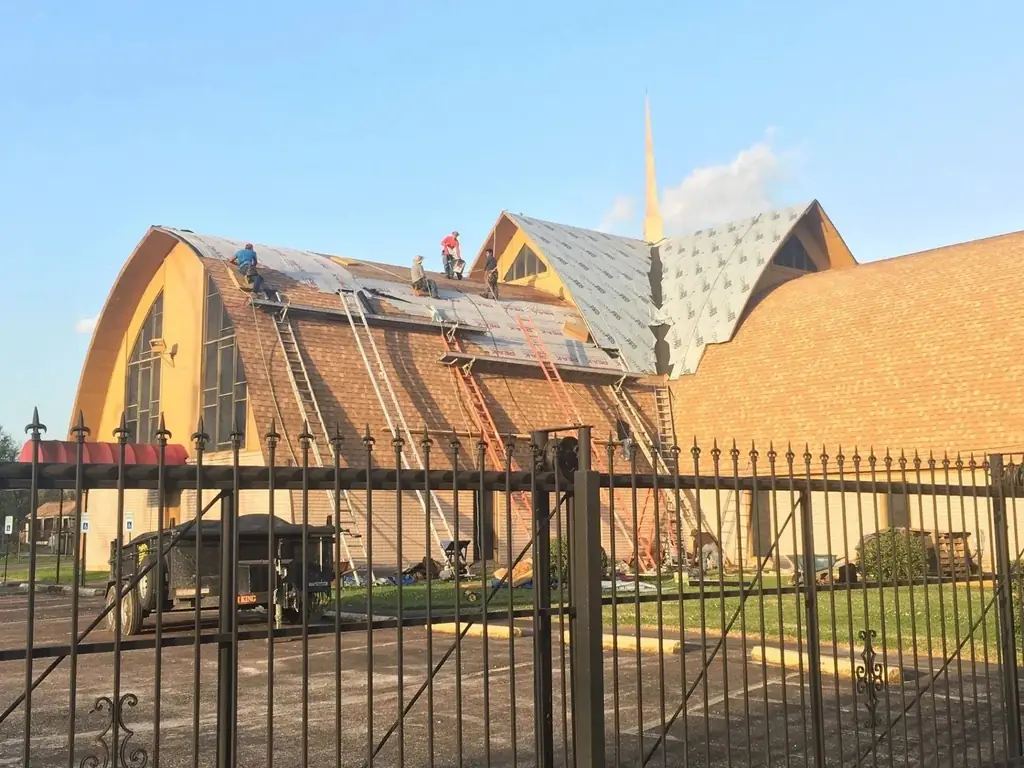
Most homeowners replacing a roof already know the three real options: asphalt shingle, metal, or a flat or low-slope system like TPO. What's harder to find is somebody willing to talk through the actual tradeoffs of each one for a house in Southeast Texas specifically, instead of just pushing whichever one they'd rather install.
Asphalt shingle: the default for a reason
Asphalt is still the most common choice for a standard pitched residential roof, and that's not laziness, it's cost and familiarity. Installation is faster, materials are less expensive up front, and a properly maintained asphalt roof in this climate runs 25 to 30-plus years. The tradeoff is that it takes more of a beating from repeated heat cycling and UV than metal does, and granule loss over time is a real thing to watch for, especially on south and west-facing slopes that take the most sun.
Metal: the long game
Metal roofing costs more to install than asphalt, there's no getting around that, but the lifespan is the real argument for it. According to This Old House, a metal roof can last up to 70 years, more than double what a well-kept asphalt roof gives you. Metal also sheds heat differently than shingle, and it holds up well against wind uplift when it's installed correctly, panels and fasteners matter as much as the metal gauge itself. The tradeoff beyond upfront cost is noise during heavy rain if the attic isn't insulated well, and matching an existing panel profile later if you ever need a partial repair.
Flat and low-slope: right tool, specific job
Flat and low-slope systems like TPO aren't really a competing choice against asphalt or metal for a standard pitched roof, they're the right answer for additions, porches, garage conversions and commercial buildings where the roofline itself is flat or nearly flat. A membrane system like TPO has to be seamed and flashed correctly around every penetration, pipe boots, HVAC curbs, parapet edges, because a flat roof doesn't have gravity doing as much of the water-shedding work a steep pitch does for free. Done right it holds up well. Done with sloppy seams, it's the first thing that fails.
Ventilation matters no matter which one you pick
Whichever material ends up on the roof, how well the attic underneath it breathes matters just as much. Ridge vents, soffit vents and a clear path for air to move between them keep attic heat from building up under the decking, and keep moisture from condensing where it can rot decking or rust fasteners from underneath instead of from weather above. A roof that traps heat and humidity in a poorly vented attic ages faster than the material specs suggest, on asphalt, metal or a flat membrane alike. It's one of the easiest things to overlook during a replacement and one of the more common reasons a roof underperforms its expected lifespan.
Tear-off matters as much as the material
Whatever material gets chosen, what happens to the old roof matters too. A full tear-off strips the old layer down to bare decking, which lets an inspector actually see the condition of that decking and the underlayment before anything new goes down, rather than covering up problems that are already there. It costs more than laying new material over an existing layer, but it's the only way to be sure what's underneath is sound before it gets sealed up for another 20 or 30 years.
What actually decides it
The honest answer for most houses is that the existing roof's pitch and structure narrows the choice before budget or preference even comes into it. A low-slope section isn't getting shingled, and a steep traditional roofline isn't a natural fit for a membrane system. From there it's mostly upfront cost weighed against how long you want the roof to last without thinking about it again, and how much wind and heat exposure your particular lot actually gets.
How we walk through it with you
We install asphalt shingle, metal and flat roofing, along with tear-offs when the old roof needs to come off before anything new goes on. A new roof, once decided, is usually completed within a day or two depending on size. Every install carries our 7-year labor and workmanship warranty on top of whatever the manufacturer already covers, and we're licensed, bonded and fully insured. If the number gives you pause, we offer financing so the choice isn't just whichever option you can pay for in one check.
ABCO Roofing & Construction has been doing this in Beaumont since 1978, family owned, second generation now, across Beaumont, Nederland and the wider Southeast Texas area. Free estimates are usually available same day. Call (409) 835-2226 to walk through which option actually fits your roof.
ABCO Roofing & Construction, (409) 835-2226
Call (409) 835-2226More articles
How We Decide Between a Roof Repair and a Full Replacement
It's a decision made standing on your roof deck, not guessed at from a photo you texted somebody.
What the Texas Windstorm Certificate Actually Covers
It's not a sales add-on, it's proof the roof over your head was actually built to hold up here.