The First 48 Hours After a Storm Takes Shingles Off Your Roof
What to do before you call anybody, and what happens once an adjuster gets involved.
September 9, 2026 · 3 min read
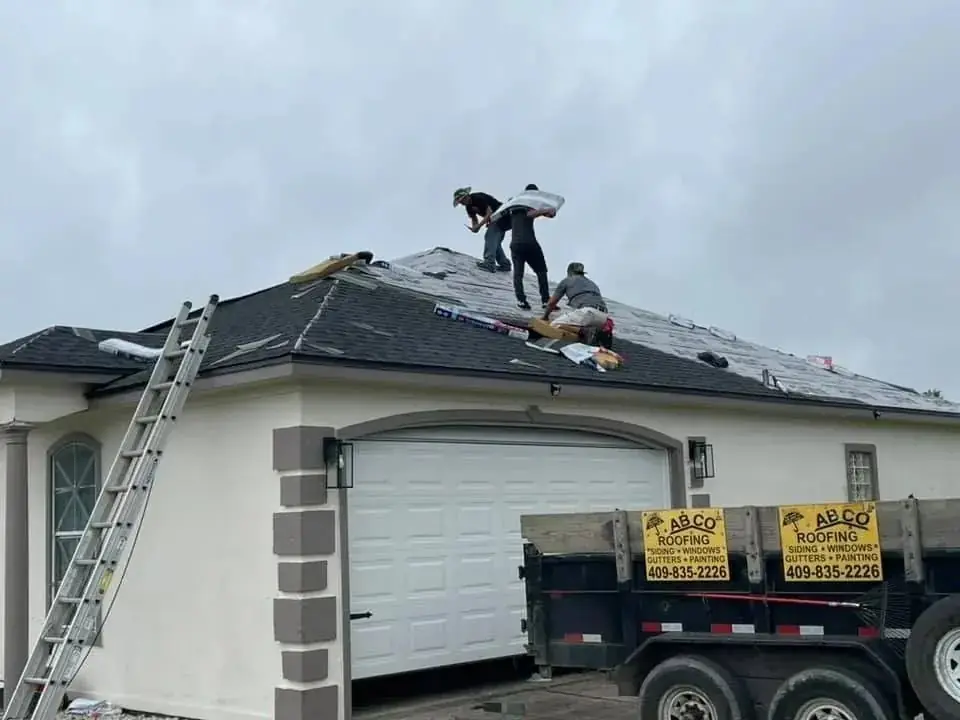
The wind dies down, you walk outside, and there are shingles in the flower bed that weren't there yesterday, or a soft patch starting to show through the ceiling paint. The next two days matter more than people think, not because of any deadline hanging over your head, but because water doesn't wait and neither does mold.
Don't get on the roof yourself
This is the one every roofer says and homeowners ignore anyway. A roof that just took wind damage is not a stable place to be walking around. Wet decking, loose shingles and a ladder on soft ground after rain is exactly how people get hurt. Walk the yard and the gutters instead. Shingle granules collecting at downspouts, whole shingles or big fragments on the ground, dented gutters or a dislodged ridge vent, all of that is visible from the ground and tells you something happened without you needing to be up there.
Photograph everything before it gets touched
Take pictures from the ground, from a few angles, and get close-up shots of anything you can safely reach: damaged siding, a bent downspout, shingles that landed in the yard. Do this before anybody tarps anything or starts cleanup. Insurance adjusters and contractors both work faster and more accurately from documentation of what the property looked like right after the event, not a description from memory a week later.
Cover what's exposed, don't try to fix it
If decking is visibly exposed, a tarp over it to stop more water from getting in is reasonable and often expected. That's different from trying to reshingle it yourself or climb up and patch it as a homeowner. Get the exposed area covered, keep the water out, and let a certified inspector make the call on what the actual repair or replacement looks like once it's safe to be up there.
Check the attic too, not just the ceiling
A stain on a bedroom ceiling is the damage you can see from inside, but it's often not the first place water actually gets in. If it's safe to do, a look in the attic with a flashlight can show a wet spot on the underside of the decking, or water tracking along a rafter, well before it ever soaks through drywall below. That's useful to photograph before any ceiling repair or insulation work covers it back up, and it's exactly the kind of detail a certified inspector will want to see too.
Call sooner than you think you need to
We run 24/7 emergency service for exactly this reason. It doesn't have to be 2am, wind-still-howling levels of bad to call, and it doesn't need to wait until Monday morning either. The earlier a roof gets a tarp and a real inspection, the less secondary damage there is to the decking and the ceiling underneath, and the more the repair stays a roof job instead of turning into a roof job plus sheetrock plus paint.
When the adjuster gets involved
If you're filing a claim, we work directly with insurance adjusters and can meet them at the property, so the person deciding what your policy covers is looking at the same damage we are, at the same time, instead of two separate visits and two different stories about what's wrong. Estimates from us are free, usually same day, whether or not you end up filing a claim at all.
What happens once it's actually inspected
Once somebody's been up on the roof, the same rules apply as with any other repair: an isolated area of missing shingles or a section of flashing that pulled loose is usually a straightforward repair, while widespread granule loss or soft decking across multiple slopes points toward a full replacement being the more honest answer. Either way, the work carries our 7-year labor and workmanship warranty on top of the manufacturer's own coverage, and a properly maintained roof afterward should still be good for another 25 to 30-plus years.
We've been doing storm work out of Beaumont since 1978, family owned, second generation now, licensed, bonded and fully insured. If you've got shingles in the yard right now, call (409) 835-2226 before you climb up there yourself to look.
ABCO Roofing & Construction, (409) 835-2226
Call (409) 835-2226More articles
How We Decide Between a Roof Repair and a Full Replacement
It's a decision made standing on your roof deck, not guessed at from a photo you texted somebody.
What the Texas Windstorm Certificate Actually Covers
It's not a sales add-on, it's proof the roof over your head was actually built to hold up here.